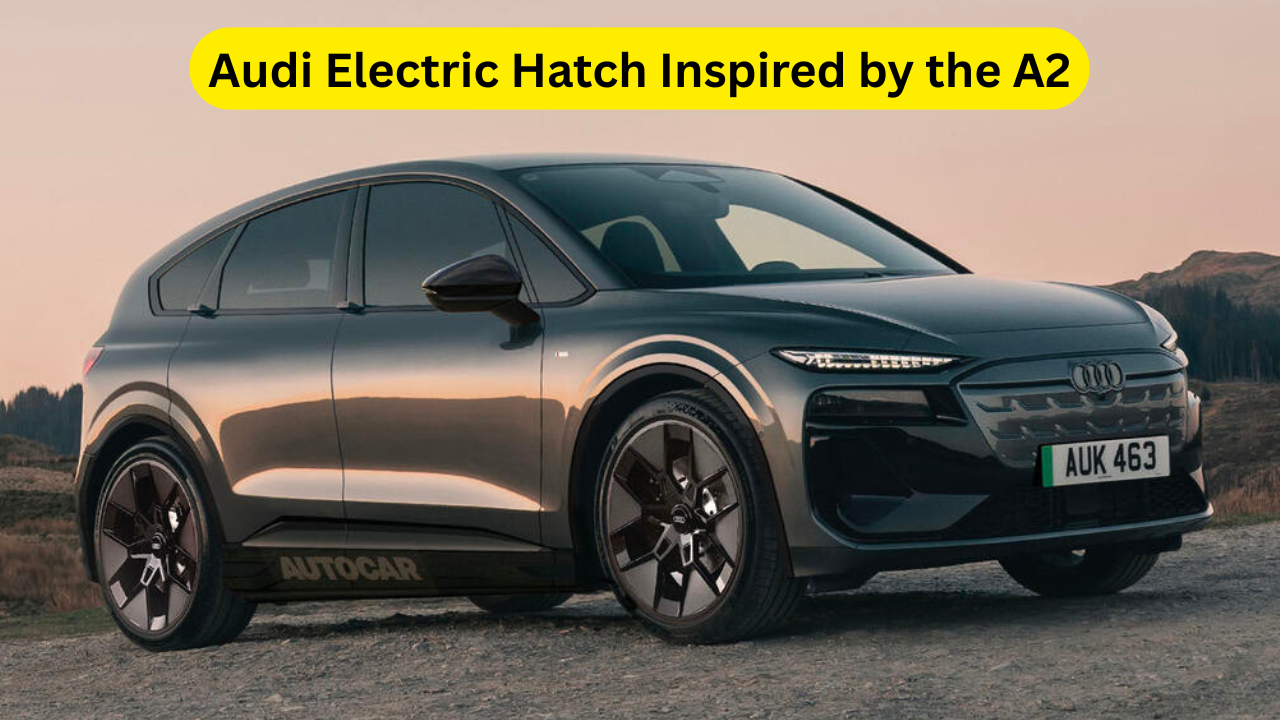
Audi Electric Hatch Inspired by the A2: Audi is preparing to redefine the compact premium EV segment with an all-new entry-level electric hatchback, inspired by the design and spirit of the iconic Audi A2 from the early 2000s. Set to arrive next year, this futuristic model will sit below the Audi Q4 e-tron and serve as the brand’s smallest and most affordable electric vehicle. As Audi gradually retires its A1 supermini and Q2 crossover, this new hatchback will bridge the gap between practicality, design innovation, and zero-emission performance.
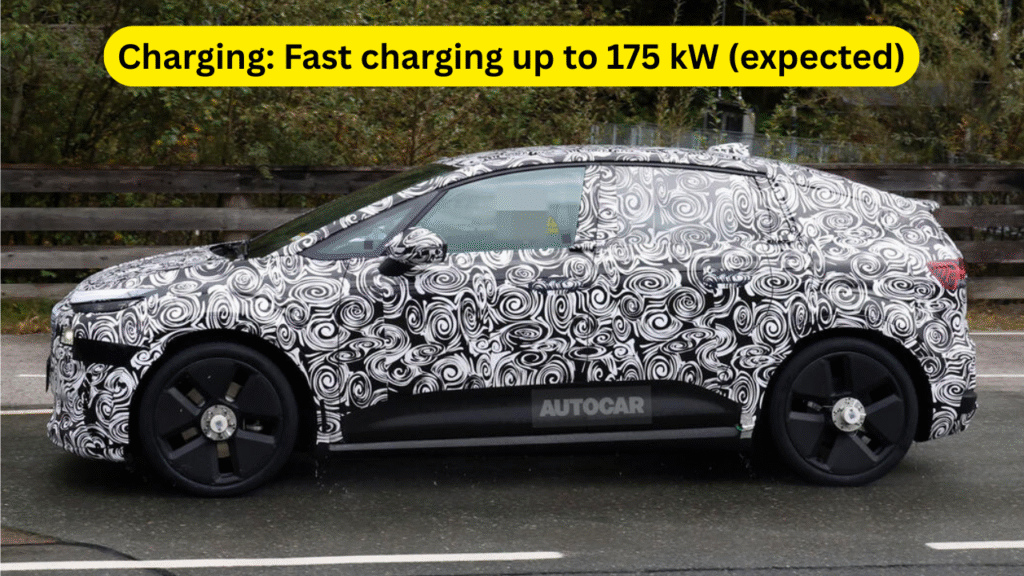
The new EV has been spotted undergoing testing for the first time, revealing a design that combines the sleek modernity of the Q4 e-tron with nostalgic cues from the lightweight, space-efficient A2 of 1999–2005. Although the new model will not directly replace any specific car in Audi’s current lineup, it is expected to inherit the A2 badge, reviving one of the brand’s most forward-thinking names from its past. CEO Gernot Döllner hinted that the return of such historical names is “thinkable,” reinforcing Audi’s intent to blend heritage with innovation.
Built on the Volkswagen Group’s MEB platform, which also underpins the VW ID.3, Cupra Tavascan, and Skoda Elroq, the new Audi EV will straddle the line between a hatchback and a crossover. This positioning will make it a strong contender against the BMW iX1 and the upcoming second-generation Mercedes-Benz GLA EV. Audi aims to offer something few brands can — a true premium experience in the A-segment, focusing on top-tier quality, efficiency, and intelligent design.
Specifications of Audi Electric Hatch Inspired by the A2
| Category | Details |
|---|---|
| Platform | Volkswagen Group MEB |
| Powertrain | Fully Electric |
| Battery Options | Expected 58 kWh to 79 kWh |
| Estimated Range | Up to 360 miles (580 km) |
| Power Output | Up to 335 bhp (sport variant expected) |
| Drivetrain | Likely single-motor RWD and dual-motor AWD options |
| Charging | Fast charging up to 175 kW (expected) |
| Dimensions | Similar to Skoda Elroq |
| Body Type | Compact Hatchback / Crossover blend |
| Platform Companions | VW ID.3, Cupra Tavascan, Ford Capri EV |
| Launch Window | Expected mid-2026 |
| Rivals | BMW iX1, Mercedes-Benz GLA EV, Volvo EX30 |
Features
The upcoming Audi EV will feature cutting-edge connectivity, premium materials, and sustainable technologies. Expect a minimalist cabin design, Audi’s latest MMI infotainment interface, and voice control integration compatible with over-the-air updates. The use of recycled materials and eco-friendly upholstery aligns with Audi’s sustainability roadmap for 2030.
Advanced driver-assistance features such as adaptive cruise control, lane-centering, blind-spot detection, and automated parking will likely be standard, along with digital LED lighting and augmented-reality navigation.
Performance
Although Audi has yet to disclose official powertrain details, the EV is expected to feature multiple battery configurations ranging from 58 kWh to 79 kWh. Performance will likely mirror that of the Skoda Elroq and Cupra Tavascan, offering a 0–100 km/h sprint in under 7 seconds for the higher trims.
The top performance variant, possibly badged as an S or RS line, could push up to 335 bhp, delivering responsive acceleration and dynamic handling. The MEB platform ensures low center of gravity, improved weight distribution, and refined ride quality, ideal for both urban commutes and longer journeys.
Design
Exterior Design
The prototype suggests a modern interpretation of the A2 silhouette — compact, aerodynamic, and instantly recognizable. Expect sleek LED headlights, a closed-off single-frame grille, and a sculpted bonnet inspired by the Q4 e-tron. Short overhangs, flush door handles, and a gently sloping roofline give it a distinct coupe-crossover aesthetic. The rear end features a continuous LED light bar, enhancing its futuristic appeal.
Interior Design
Inside, the new Audi will likely offer a spacious, airy cabin, maximizing space through clever packaging of the battery and compact drivetrain. A floating digital cockpit, minimalist center console, and ambient lighting themes will emphasize modernity. High-quality recycled fabrics, vegan leather alternatives, and soft-touch surfaces will enhance comfort while supporting Audi’s environmental commitments.
Price Details
While Audi hasn’t confirmed pricing, the entry-level model is expected to start around €35,000 to €38,000 (₹33–36 lakh) in Europe, making it one of the most accessible premium EVs in Audi’s lineup. Higher trims with dual motors and larger battery packs could reach €50,000 (₹47 lakh) or more.
Audi will aim to position it competitively against the Volvo EX30 and Mercedes GLA EV, appealing to buyers seeking luxury and efficiency in a compact footprint.
Launch Date
The all-new Audi electric hatch is expected to debut globally in mid-2026, with European sales commencing shortly afterward. Right-hand-drive markets like the UK and India could see launches in early 2027, depending on demand and localization strategy. Pre-production testing is already underway, signaling a near-final development phase.
Other Details
Audi’s strategy to consolidate its smaller car lineup by discontinuing the A1 and Q2 reflects a shift toward electrification and profitability. By merging both models’ strengths into a single EV offering, Audi aims to simplify its range, reduce complexity, and enhance efficiency across manufacturing and marketing.
This new model will also leverage group synergies with Volkswagen, Skoda, and Cupra, helping reduce costs while maintaining premium distinctiveness.
Also read: Sony Xperia 1 VI Starts Receiving Stable Android 16 Update in Europe
Conclusion
Audi’s upcoming entry-level electric hatch symbolizes a bold step into the future of premium compact mobility. By drawing inspiration from the iconic A2 while utilizing modern EV architecture, Audi aims to create a product that’s as intelligent and efficient as it is stylish. This car will likely become a gateway EV for many first-time luxury buyers, offering them Audi’s hallmark refinement at an attainable price.
The use of the MEB platform ensures proven performance, safety, and range capabilities. Its premium design language, coupled with sustainable materials and advanced technology, positions it perfectly for the next generation of eco-conscious drivers.
By bridging the gap between a hatchback’s practicality and an SUV’s stance, the new Audi offers a fresh alternative to the growing number of compact EVs flooding the market. Its clean lines, aerodynamic efficiency, and forward-thinking interior design promise to set new standards in the segment.
As Audi accelerates its transition toward a fully electric future, this new EV will not only replace two models but also redefine what entry-level luxury means. If successful, it could become the new benchmark for small premium EVs worldwide.
FAQs
1. Will the new Audi EV replace both the A1 and Q2?
Yes. Audi plans to retire both the A1 supermini and the Q2 crossover in 2026, replacing them with this single, all-electric model. The decision reflects Audi’s strategy to streamline its portfolio and focus resources on scalable EV platforms, ensuring higher profitability and a clearer product lineup.
2. What platform will the new Audi hatchback use?
The car will be built on the Volkswagen Group’s MEB platform, which also underpins the VW ID.3, Cupra Tavascan, and Skoda Elroq. This ensures proven electric efficiency, modular scalability, and compatibility with fast-charging technologies, allowing Audi to deliver excellent range and performance.
3. What will be the expected range and performance?
Depending on the battery configuration (58–79 kWh), the new Audi EV could offer ranges up to 360 miles (580 km) on a single charge. The high-performance variant may deliver around 335 bhp, enabling 0–100 km/h acceleration in under 7 seconds, matching rivals like the BMW iX1 and Volvo EX30.
4. How will this model differ from the Q4 e-tron?
While the Q4 e-tron targets the compact SUV market, the new entry-level Audi EV will sit below it in size and price, offering a more urban-friendly design. It will emphasize efficiency, affordability, and compact versatility, serving as an accessible introduction to Audi’s electric ecosystem.
5. When will it launch, and what will be its price range?
The official debut is expected in mid-2026, with European deliveries likely by late 2026. The starting price is estimated between €35,000–€38,000 (₹33–36 lakh), positioning it competitively against the Volvo EX30 and Mercedes-Benz GLA EV, with higher-performance trims crossing €50,000 (₹47 lakh).


1 thought on “All-New Entry-Level Audi Electric Hatch Inspired by the A2: Design, Features, Specs, and Launch Details”